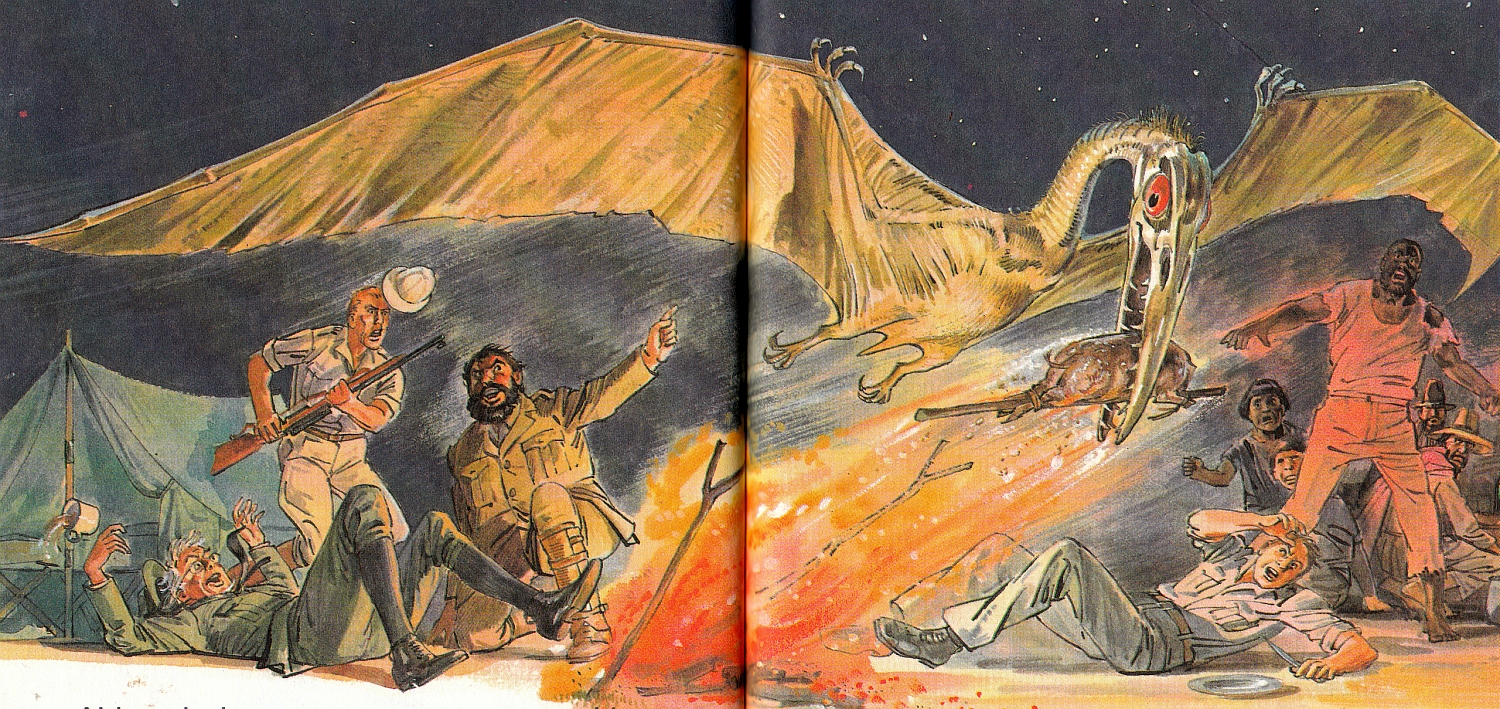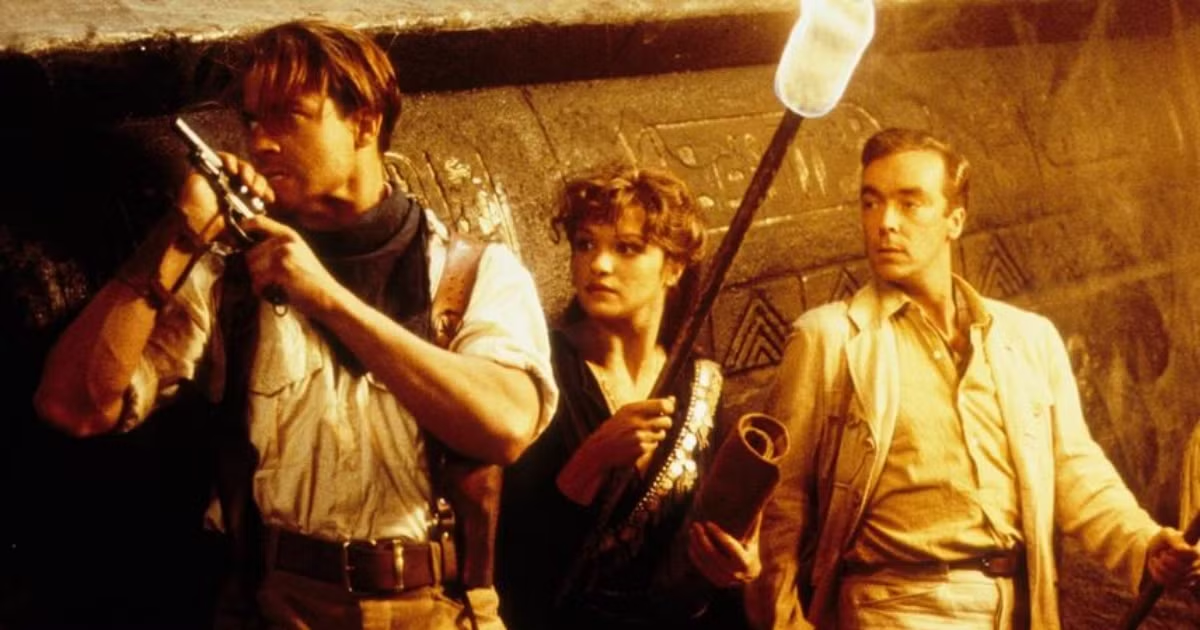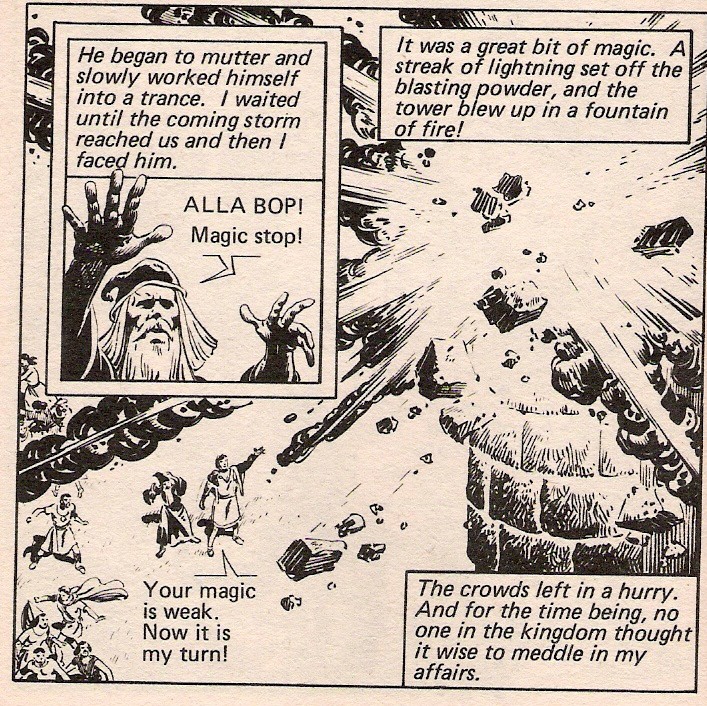

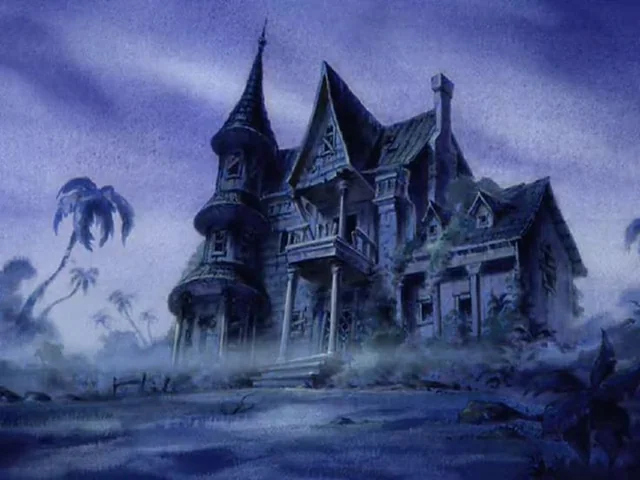
The setting is the West Coast through the dark dreamlike mirror of 197X. Perhaps a decade prior, rifts ripped open to a hellish other realm of beings that feast on fear- they emerged with their forms shaped by the nightmares of humanity. Their awful flesh flowed into twisted imitations of the ghosts, aliens, cavemen, robots, glowing deep sea divers that haunted our collective subconsciousness, shaped by the fears of the area they arrived in.
Millions of people were slain but luckily these outside beings were not adapted to our dimensions. Within a year, most of them had sickened, fallen still, and dissolved like deep sea fish ripped from the depths to bloat and die in a foreign atmosphere. They were not built for this world. Some hardy specimens remained in the deep wilderness. The damage had been done and the survivor society had splintered into enclaves, the larger cities transformed into well lit fortress towns as economic and communication networks broke down. Now the roads have been rebuilt and a trickle of commerce and travel resumed. The cities yearn to grow once more and span the earth and yoke it to their ambitions as they once did.
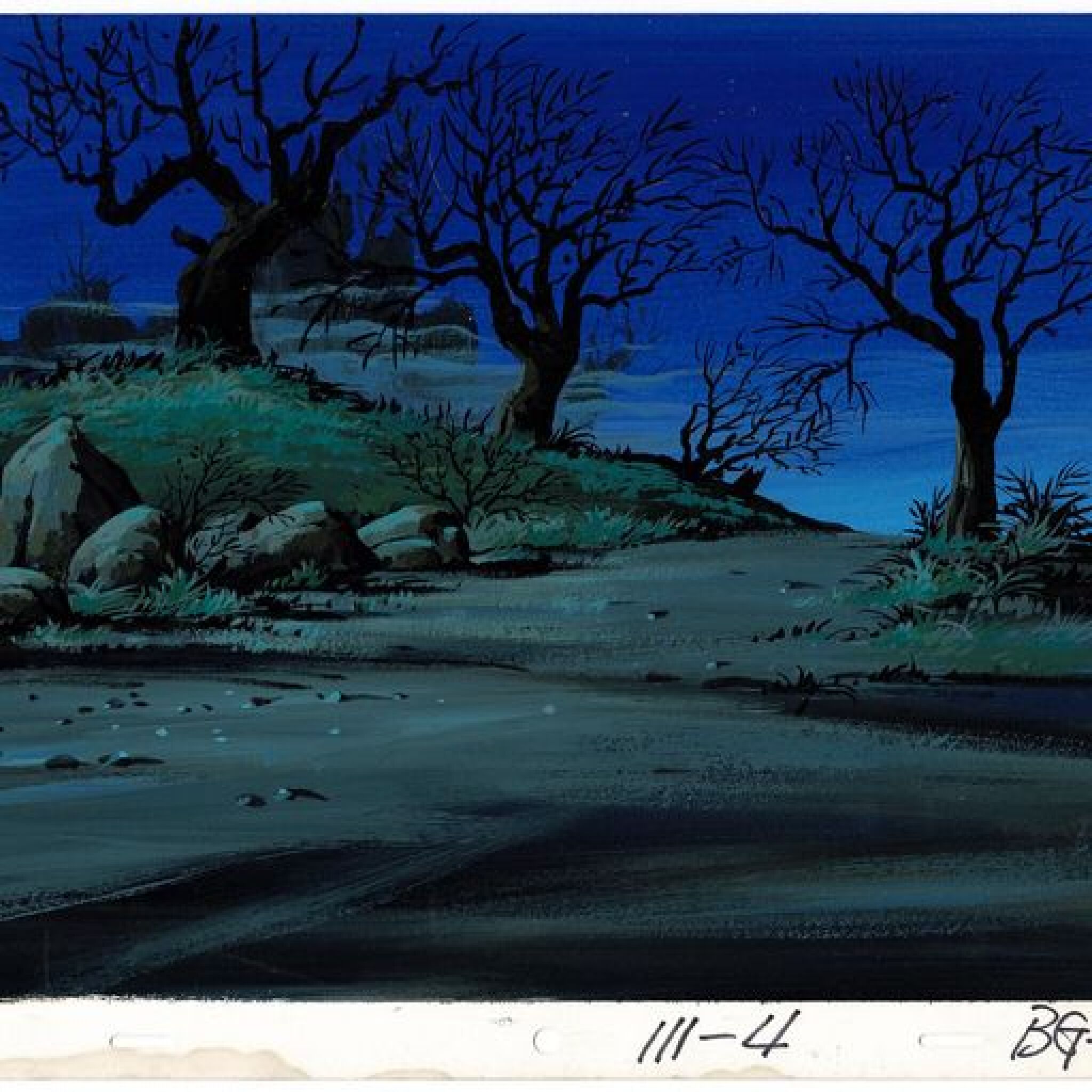
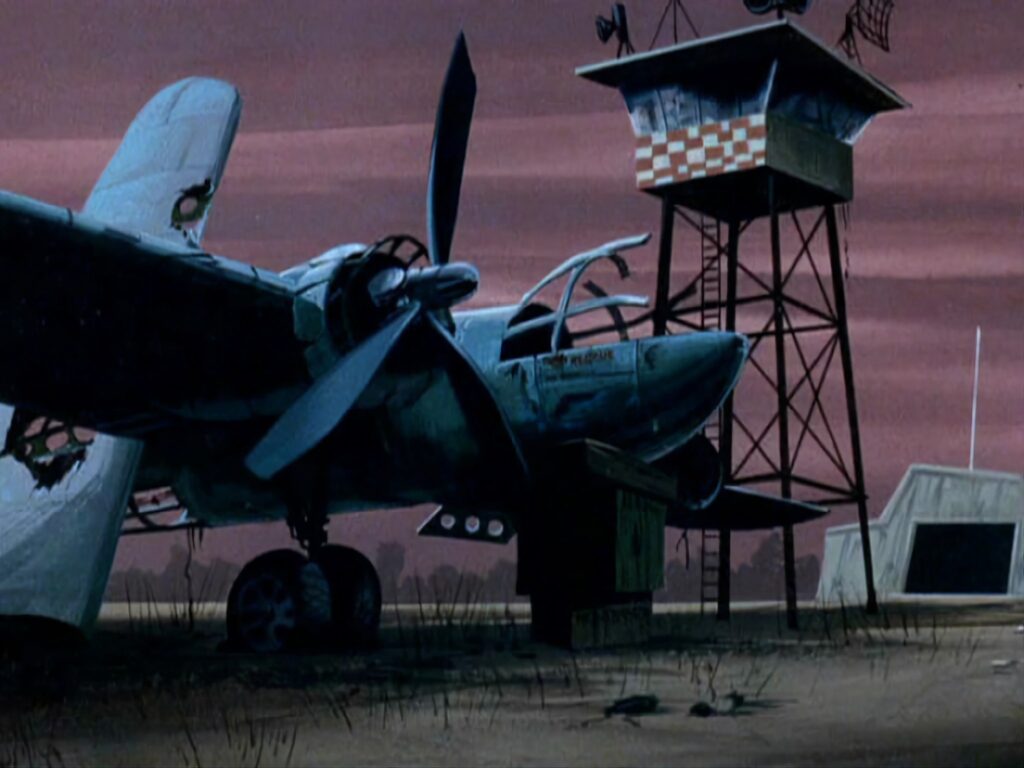
Outside of these enclaves of the coastal elite- there is a world left behind. Isolated farmhouses,overgrown wilderness lodges, long closed military airfields, shuttered beach boardwalks, and abandoned amusement parks too numerous to count. The detritus of a once great civilization. Haunting these ruins aren’t even ghosts but the shoddy imitators of them, sad- lonely people grown to hate everyone else and seeking their salvation through the use of terror to drive away the very community who could help them. Regardless of gender everyone just calls them The Old Men.
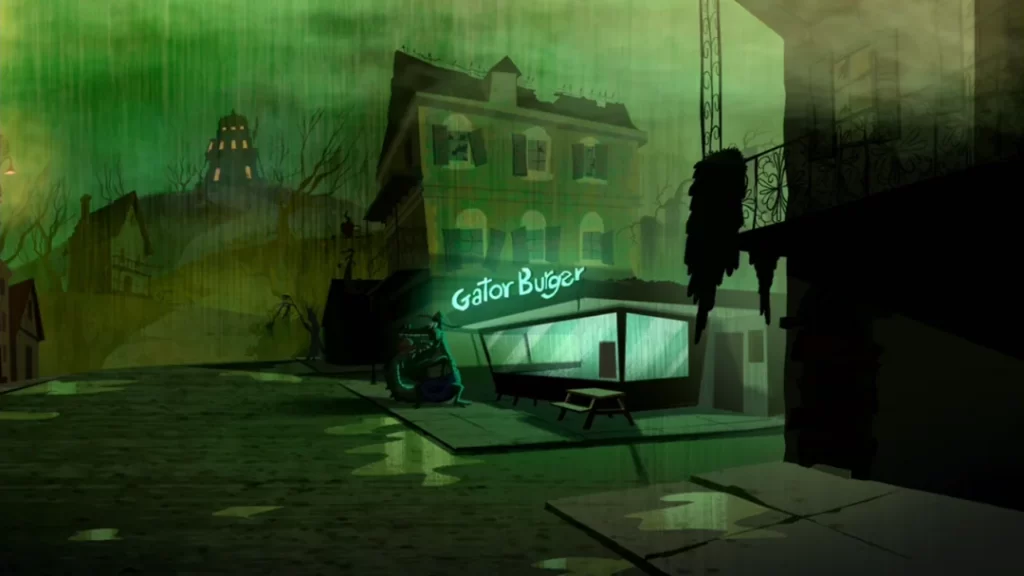
The lonely souls that masquerade as horrors, covering themselves in seaweed and latex, paint and rubber- are filled to the brim with restless spirits of those marooned nightmare beings. They are no longer men but flesh sheets draped over a horde of demon ghosts from the outer dark nearly bursting from their ripe pallid skin. They claim they want riches and real estate but these plots are doomed delusions. After driving their last neighbors away, they are consumed by these alien ghosts, hollow creatures made puppets in the darkness of their solitude.
They are possessed of a base cunning. An aura of innocence surrounds them, they intuitively know the fears and suspicions of the people they know well . Someone from their settlement just tends to overlook and see past the tired look in their eye, the stain of blood on their shirt, the human tooth fallen out of a splintered crate. No interrogation in their human form could break them. Only when they have donned their costume. the false flesh that shows the truth, can they be caught and exorcised. They cannot be easily killed but they can be caught and exorcised through successful capture and binding followed by ritual unmasking.
The forces of the law are distant and uncaring. They serve the metropole, the places where the game of musical chairs didn’t come to a stop and left everybody without a seat ushered to the doors. The sheriffs they post to these tiny borderlands towns are primarily corrupt, feebleminded, uncaring or all three. But now there is a new era of hope against the dark night of the soul. Many of the brutal warlords have been overthrown and citystate democracy has returned brimming with a fragile, idealistic optimism. The Gangs were created.

Filled with the well meaning, the restless, or those who are running from something The Gangs are wandering groups of young people provided with a running transit van to travel and sleep in and a stipend just sufficient to cover their food and gasoline costs. They leave the City for motives other than money. At their best they are beacons of light in a fallen world, bringing the fading light of reason and hope from the glowing city to the dark spots on the map.
A variety of shining youth coming from places where there is reason, hip clothes, dependable electricity, and Scooby snacks. They may also be fools, the jury is still out.
Nobody ever comments on the talking dog. In a world with both real and fake supernatural events, this is mundane and known. Everybody takes a talking dog with speech disability for granted. There are many Scoobys, it is a breed- not an individual. They were created through genetic engineering and an intensive breeding effort by the scientists of the City. They possess human intelligence and a tremendous good soul. There are also twisted abominations called Scrappys turned rancid and hateful- seeking the destruction of their creators. I will not speak of them today.
A Scooby is a vessel for our sins. They are pure creatures, dogs born into sheltered existences where they want for nothing. We take them from these creches theyŕe raised in and they are assigned a Gang as a puppy. Then we throw them into hell.
Their innocent minds serve as monstrous bait for Gangs heading into the cursed hinterlands, the sweet smell of their terror. They are cowards, lost in mindless terror from the first spooky occurrence. They act as sacrificial lambs to the darkness, attracting the attention of the foul beasts that feed on the fears of humanity and drawing them out of hiding. They can’t resist the banquet of terror. The Scooby Snacks contain anti-anxiety medicine as a main component.
So if tracked down, snared in some contraption that can withstand their unnatural strength and unmasked, the Old Men are unerringly bound to confess and then curse their captor. These curses are minor ill omens but those who face the Old Men in enough numbers, over time find them bowing under the weight of their ill fortune. Vans run out of gas at unlikely times, ropes snap, sandwitches you could swear were packed vanish without a trace.
Some Gangs retire and break their fellowship to return to safe, comforting lives but for many the knowledge of mysteries out there to solve, people living in unreason and fear is too much for them to bear. For many, injustice anywhere while they yet draw breath is an unscratchable moral itch. They may try to reassemble the old gang, or if spurned by their former companions, cobble together a new patchwork crew, never equal to the power of the first. They get back on the road, hearing the call of the journey once more, unable to be still, they return to the busted motel, the castle, the leaking aquarium and they exorcise more Old Men and bear their curses.
Eventually the load of a hundred curses is too much for anyone. The City recommends that Gang members return and retire by 28 but have no means of enforcing this. Most return anyway, limping back to the gleaming town, scarred and shook from their bright burning lives in uneasy retirement, never fully at home in the stable and comfortable cage of the city away from the dangerous and wonderful freedom of the road, the feeling of waking up everyday and feeling that day they’ve made the world a slightly better place.
Those who wander, stay at a roadside stop as their Mystery Machines- be it bus, SUV, or moving van painted with the bright flowers of the old times, drive away for the last time. These forsaken investigators blow into one of the small towns and settlements barely holding on against the screaming wilderness at it’s gate and find a house, it’s not hard- there’s no shortage of extras these days. They either stop shaving and try to become one with the barren unloved places or they seek positions of authority and wear the fanciest clothes they can get in this podunk settlement to do their best to bring the city to the wilderness. Both roads lead to the same terminal spot.
They find the largest monument to that which came before, a decrepit sports stadium, a mothballed cinema, or the stone temples of yet older people who thought time would spare them too. They see this and they want it.They want the howling solitude to grow. To spread to encompass the all of the land they see. They understand that it’s people who ruin things. Nasty noisy, meddling, people. These aren’t the right people. If they could drive them off and start anew they could rebuild these temples to civilization and make them better, cleaner, bigger. With them at the top they could remake this emptied world as it once was, as it should be. They would bring the good people back and everything would be beautiful. This time, they’d do it right.
In their mad plots they fill walls with diagrams and thick manilla file folders with plans spiraling inwards on themselves. Too focused on their plots to do much else, they twist further into increasingly convoluted scheming knots to horrify and displace their community and achieve their goals. They all call themselves by some self made title, developer, scientist, entrepreneur, innovator but we know them for what they are- The Old Men. Whatever goal they claim to have is a veneer on the truth. Terror is the point.
` Each of them crafts a suit, sparing no effort on molded rubber, animatronics, or zipline installation for the deception. and begins terrorizing their hometown. They have a low cunning that serves them in hiding from the suspicion of their neighbors and even a curious Gang, following the increasingly loud whimpers of their Scooby’s bloodhound-like ability to detect sources of terror. They are vulnerable in their early stages, fumbling and clumsy in their schemes. But over time they grow in cunning and cruelty as their humanity is replaced with the tattered ghosts of the past horrors they’ve drawn to fill the husk of their body. With enough time and luck an Old Man can drive the folks from a village utterly and gain their solitude.
Sometimes a Gang will capture a particularly wily Old Man lasso a supposed creature in their inventive or accidentally placed traps and reach to rip a convincing green rubber mask off. The mask doesn’t budge. Sharp teeth dribbling foul saliva part in awful mocking unearthly laughter. It strains and breaks its bonds and looms before them. There is no trick, no pretense at humanity.
No man anymore, just the beast reborn.